Bahasa Indonesia
 English

Strengthening Science Literacy and Cultural-Religious Identity among the Indonesian Diaspora, UNY Holds Collaborative Fun Science Workshop for Parents and Children in Nagoya
Primary tabs
Submitted by admin on Tue, 2026-09-15 15:30
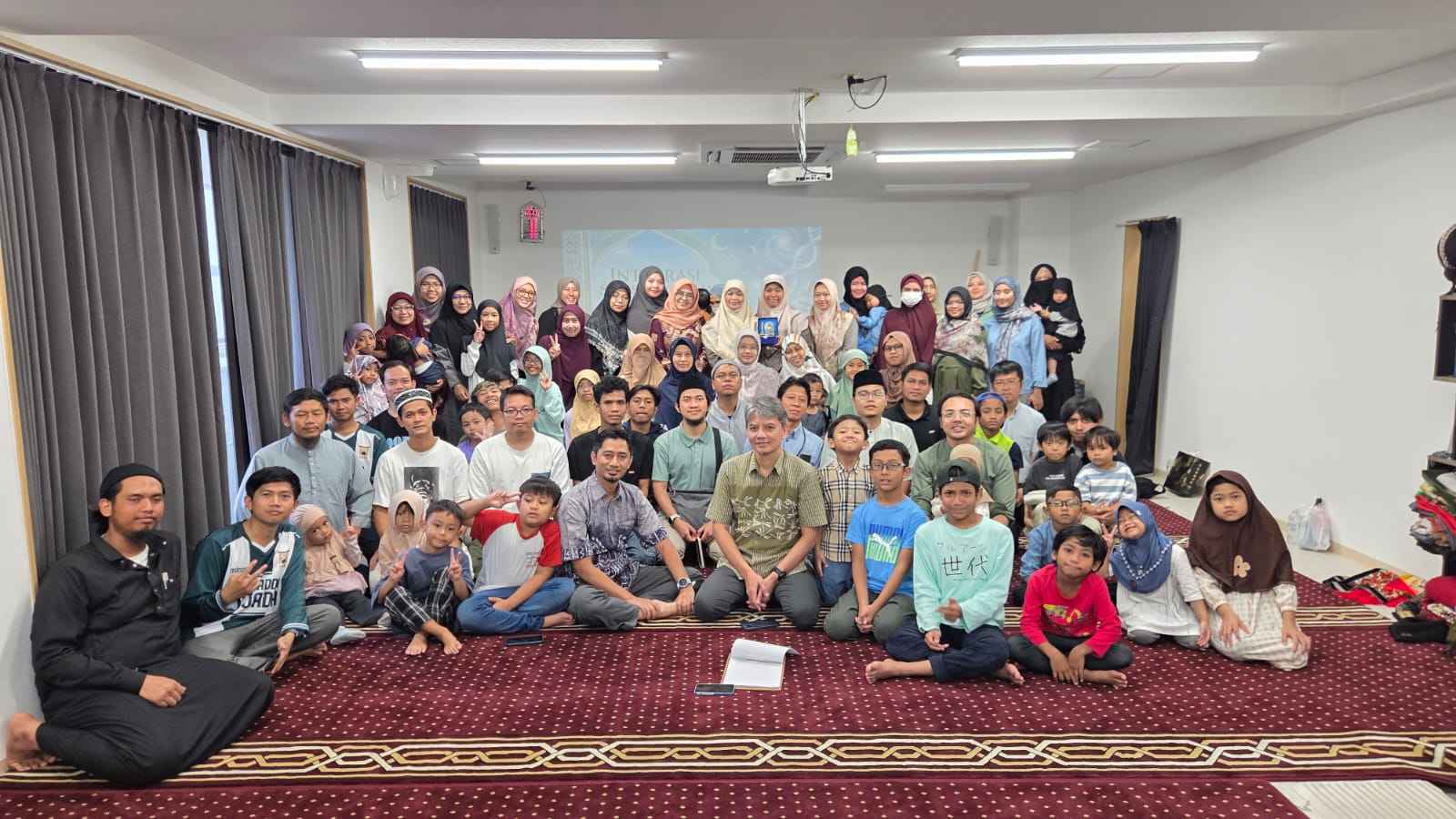
Universitas Negeri Yogyakarta (UNY) continues to strengthen its contribution to educational development for Indonesian communities abroad. One of these efforts was realized through the “Strengthening Science Literacy and Cultural-Religious Identity through a Collaborative Fun Science Workshop for Parents and Children”, held on September 6, 2026, from 10:00 a.m. to 4:00 p.m. JST at Ippan Shadan Houjin MINA (Yayasan MINA), Nagoya, Japan. The activity was initiated by Dr. Ali Mahmudi, Dr. Sabar Nurohman, and Dr. Rizki Arumning Tyas from the Faculty of Mathematics and Natural Sciences (FMIPA), UNY, as part of an effort to provide science learning experiences that are engaging, contextual, and closely connected to the lives of Indonesian families in the diaspora. The activity was conducted in collaboration with Yayasan MINA, involving 83 children and parents as the main participants.
The workshop was designed to strengthen science literacy as well as cultural-religious identity through fun science activities that enabled children to learn together with their parents. One of the main activities was ecoprint, which involves using plant materials, particularly leaves, to create patterns and colors on fabric. Through this activity, participants were not only encouraged to produce a creative work but were also invited to understand various scientific phenomena occurring throughout the process. The learning process began with observing different shapes and characteristics of leaves, followed by making predictions about the results that would be obtained. The children and parents then explored the process by selecting and arranging leaves, hammering them with wooden mallets, and finally opening the fabric to observe the patterns produced. This series of activities provided opportunities to develop scientific skills through observation, prediction, exploration, interpretation, and communication of findings.
Scientific concepts were introduced through phenomena that participants encountered directly. Differences in the shape, texture, thickness, and characteristics of leaves can produce different patterns on the fabric. Participants were also introduced to natural plant pigments, such as chlorophyll, carotenoids, and anthocyanins, and their relationship to the colors produced. Through this approach, the creative activity served as an entry point for developing scientific understanding through concrete and enjoyable experiences. Beyond strengthening science literacy, the activity also aimed to foster children’s connection with nature, culture, and Indonesian identity. The use of natural materials in the ecoprint activity introduced participants to the richness of the environment while demonstrating that science learning can take place through various activities in everyday life. The involvement of parents also provided families with an opportunity to become part of their children’s learning experiences, while strengthening interaction and the transmission of cultural values within the diaspora community.
The Chairperson of Ippan Shadan Houjin MINA, Rakhma Kumala Dewi, welcomed the collaborative activity and expressed her hope that the partnership between UNY and MINA could continue and expand into other areas that would benefit the Indonesian community in Nagoya. Future collaborations, she noted, could include programs addressing the needs of the diaspora community, including preparation for returning to Indonesia, so that jointly developed programs would not merely be one-time activities but could be implemented and provide sustainable benefits within the MINA community. This aspiration provides an opportunity to further expand the synergy between UNY and MINA in delivering educational programs that respond to the needs of Indonesian communities abroad. Beyond academic aspects, the collaboration can also be developed to support character development, cultural identity, and the readiness of Indonesian diaspora children to maintain their connection with Indonesia.
Through this activity, UNY reaffirmed its commitment to promoting learning that is contextual, participatory, creative, and rooted in the environment and culture. Fun Science serves not only as a means of introducing scientific concepts but also as a space for parents and children to learn together, explore Indonesia’s natural and cultural richness, and strengthen their identity as members of the Indonesian community living abroad. Moving forward, the collaboration between UNY and MINA is expected to continue growing through various mutually reinforcing programs that provide tangible benefits for both educational development and the strengthening of the Indonesian community in Nagoya.
Kontak Kami
Program Studi Pendidikan IPA
FMIPA Universitas Negeri Yogyakarta
Kampus Karangmalang Yogyakarta 55281
Email: s1pend_ipa@uny.ac.id
Instagram: @depdikipauny